Over the past 40 years, Mankayane has steadily strengthened its place as a key service and access point for surrounding communities. Through road upgrades, improved public institutions, safer urban infrastructure, market development, and a widening range of empowerment programmes, the town has become more visible, more functional, and more important in the everyday lives of the people it serves. Its story is one of practical, people-focused growth.
Mankayane’s transformation has not been built on spectacle. It has been built on usefulness.
For many years, the town was known mainly as a transit point, a place people passed through rather than a destination in its own right. But over the course of His Majesty King Mswati III’s 40-year reign, Mankayane has steadily become more than a junction. It has grown into a stronger service hub, supported by better roads, a more organised market environment, expanding public institutions and programmes aimed at giving local communities practical tools for self-improvement and economic participation.
“Mankayane’s development story is rooted in access, to roads, to services, to markets and to programmes that help people build livelihoods.”
Roads that changed the town’s role
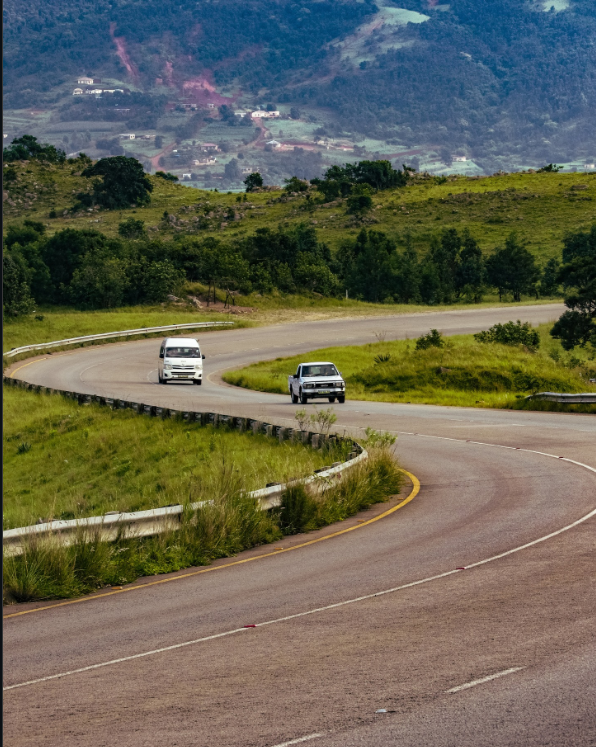
Infrastructure has been one of the clearest drivers of Mankayane’s growth. The upgrading of the MR4 from gravel to asphalt strengthened the town’s link to Manzini, Nhlangano, and the wider road network, improving traffic flow and making navigation easier for residents, businesses, and visitors alike. The Gege–Sicunusa Road, which joins the MR4, further enhanced this connectivity, contributing to rising traffic volumes and placing Mankayane on a more visible economic route.
These roads have done more than move vehicles. They have raised the town’s profile, increased its exposure to potential investors, and contributed to growing interest in developments such as filling stations and shopping complexes. In a growing town, better road access is often the first real signal that opportunity is expanding.
Within Mankayane itself, the numbers tell a clear story of progress. Approximately 16.8 kilometres of internal roads have been upgraded from gravel to asphalt, while a further 10.4 kilometres of gravel roads have been opened and are being maintained ahead of future upgrading. These improvements have helped the Town Board manage movement, access, and service delivery more effectively.
“Approximately 16.8km of roads have been improved from gravel to asphalt within the town.”
Lighting, safety, and urban confidence
Mankayane’s growth has also been reflected in investments that improve daily life after sunset. The installation of four high-mast lights has improved visibility and security around town, helping reduce the risks associated with poorly lit public areas. For residents and businesses alike, public lighting is one of the clearest signs that a town is becoming more functional, safer, and more confident in its urban identity.
A mobility hub powering everyday commerce
One of the most important developments in Mankayane has been the creation of the market and bus rank, which now stand at the centre of the town’s daily rhythm. The bus rank serves around 20 buses daily, 120 Quantums, and about 15 taxis, reflecting rising mobility and growing demand for transport services. Developed next to the rank, the market has created an integrated trading space where commuters and vendors support one another through daily movement and exchange.
This infrastructure has improved service delivery in practical ways. It provides shelter for commuters, structure for public transport operators, orderly space for vendors, and low-cost public toilets. Just as importantly, it has widened economic participation by giving local people a place to trade, earn, and build livelihoods.
“The bus rank now serves about 20 buses daily, 120 Quantums and 15 taxis.”
A stronger local service centre
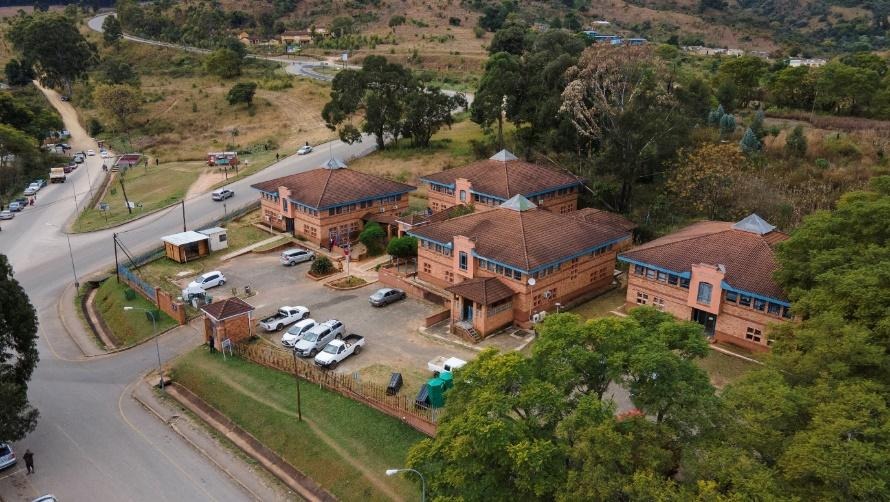
The concentration of public institutions in Mankayane has significantly strengthened its role as a service hub for the wider region. Government offices operating in the town include Housing and Urban Development, Tinkhundla Administration, regional offices, revenue offices, and the Town Board itself. For residents of Mankayane and surrounding communities, this means essential services are now closer, reducing both travel distance and the cost of access.
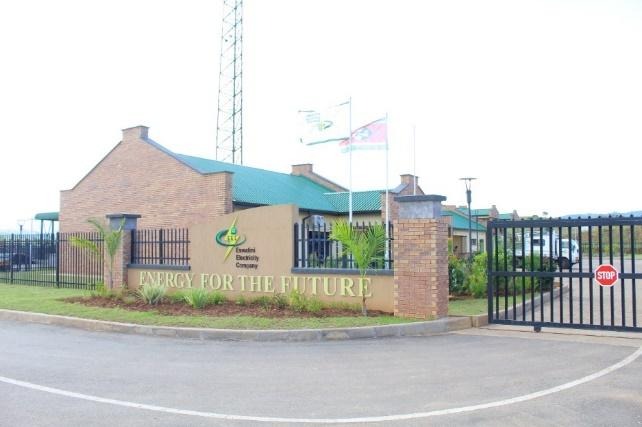
Other institutions have reinforced this role. Mankayane today has a fully fledged police station, an Eswatini Electricity Company station, a Fire and Emergency Services station, a correctional facility, and an upgraded government hospital. Together, these facilities show how the town has become an anchor point for security, power supply, emergency response, justice, and healthcare in the region.
Planning for more structured growth
The town’s development is also being supported by planning and settlement work designed to shape future expansion in a more organised way. A Town Planning Scheme has been developed, land has been allocated for residential and commercial use, and a socio-economic survey has been carried out in Mangwaneni to support formalisation. These are the kinds of interventions that quietly but decisively lay the foundation for more equitable and better-managed urban growth.
Development with a human face
What gives Mankayane’s growth particular depth is that development has not been confined to roads and buildings. The Town Board has also facilitated a broad set of empowerment programmes aimed at supporting youth, women, vulnerable children, and community volunteers. These include youth artisan skills training in collaboration with UNDP, women’s organic manure production through Bokashi, OVC feeding programmes through social centres, WORTH volunteer economic strengthening, and empowerment for young mothers in sewing, soap production, and catering.
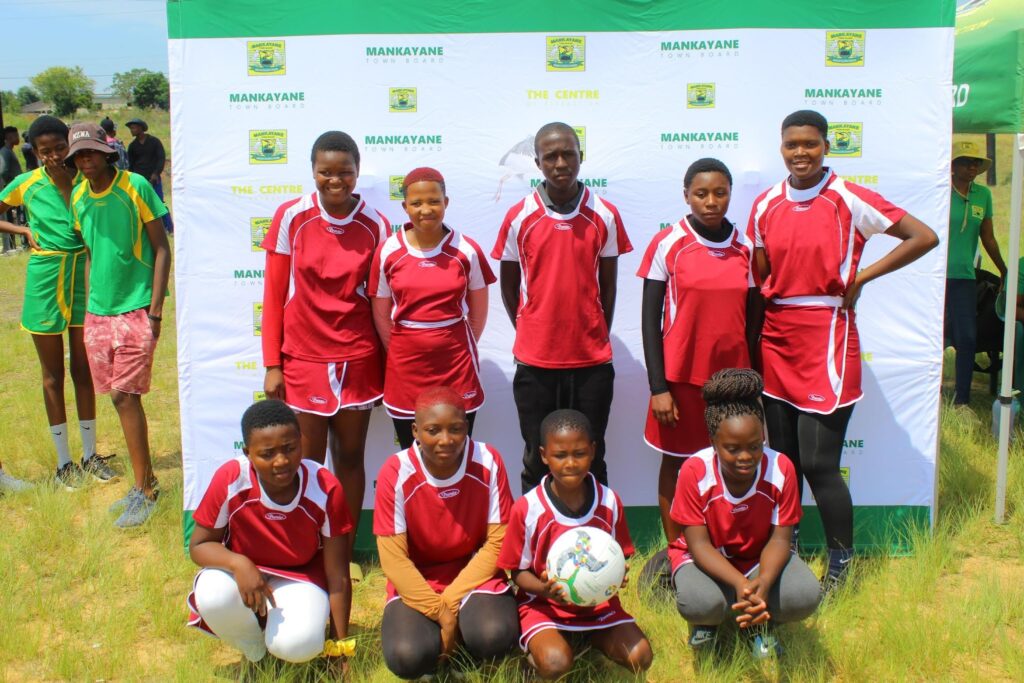
The town has also implemented adolescent boys’ lifestyle education through sport, youth entrepreneurship training, community health and wellness days with transport operators, volunteer quarterly allowances, and funeral cover, as well as in-school health education that includes anti-tobacco campaigns and career days. Together, these initiatives show a Town Board working with a wider understanding of development, one that includes skills, resilience, behaviour change, and self-reliance.
“Development in Mankayane has also meant skills, markets, community support and closer public services.”
That human-centred approach is also reflected in support for the old-age home developed under the office of the Honourable Deputy Prime Minister. The facility provides shelter and belonging to elderly and vulnerable members of society, while the Board continues to support it as part of its social responsibility. It is a reminder that the true measure of development lies not only in the roads a town builds, but in the dignity it protects.
A practical model of progress
Over the past 40 years, Mankayane has grown into a more connected, better serviced, and more community-centred town. Roads have improved access. Markets have widened opportunities. Public institutions have brought services closer. Empowerment programmes have helped build local resilience.
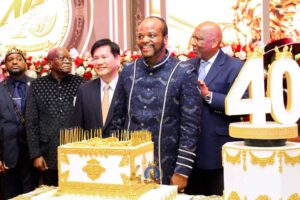
As the Kingdom marks the Ruby Jubilee of His Majesty King Mswati III’s reign, Mankayane stands as a strong example of practical progress, a town whose development has been rooted not in spectacle but in usefulness, access, and the well-being of the people it serves.
Share this post
Subscribe to our newsletter
Keep up with the latest blog posts by staying updated. No spamming: we promise.