PRESS RELEASE
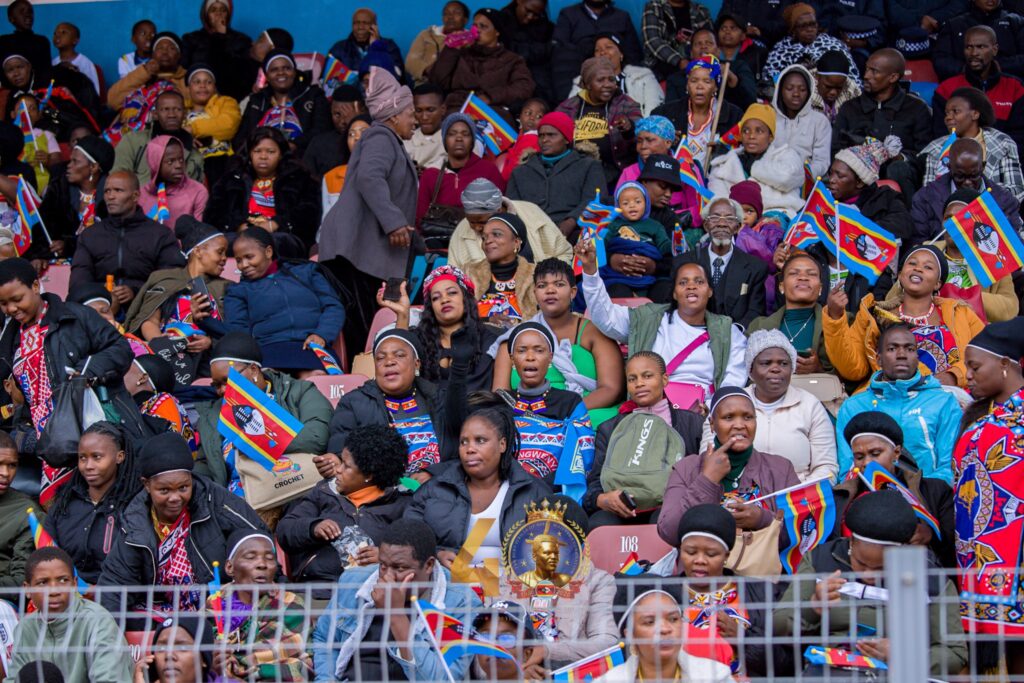
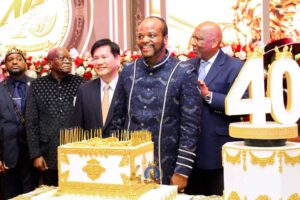
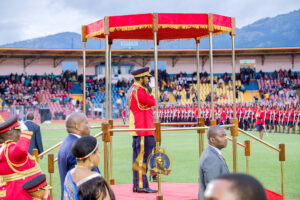
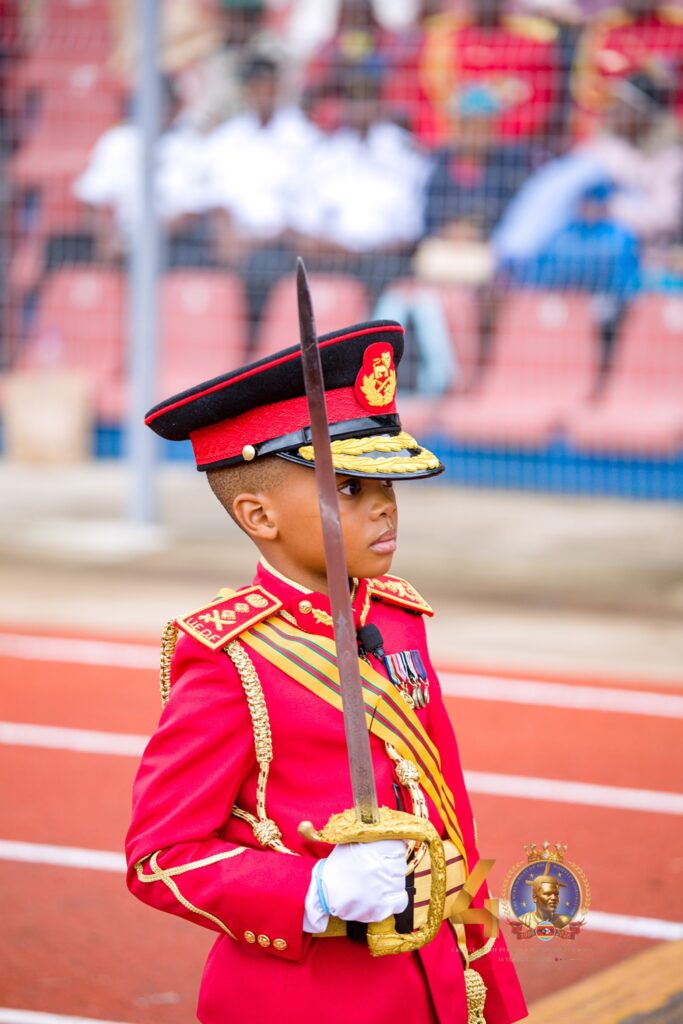
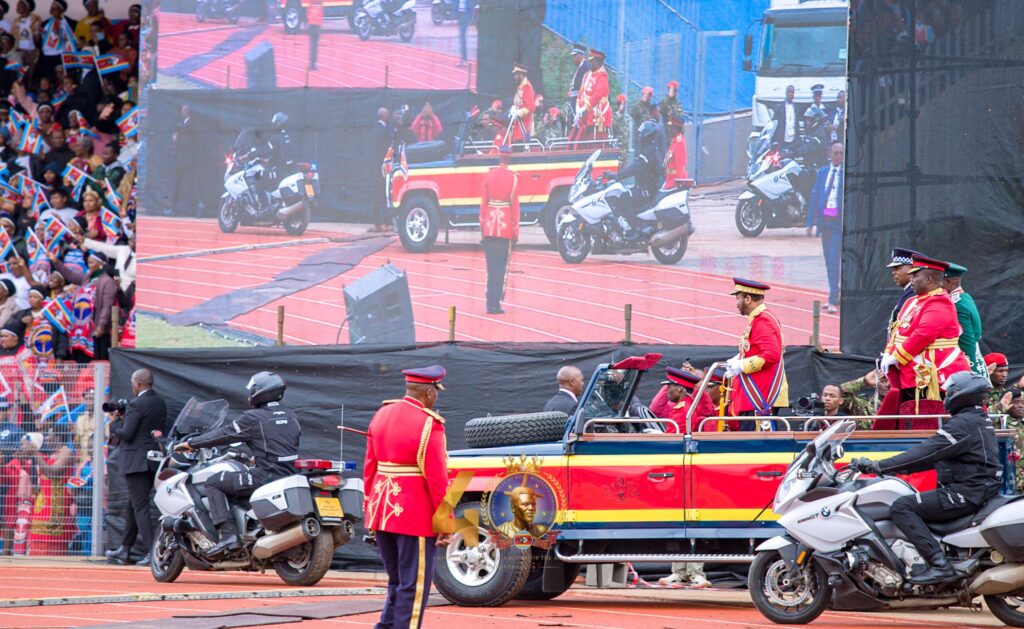
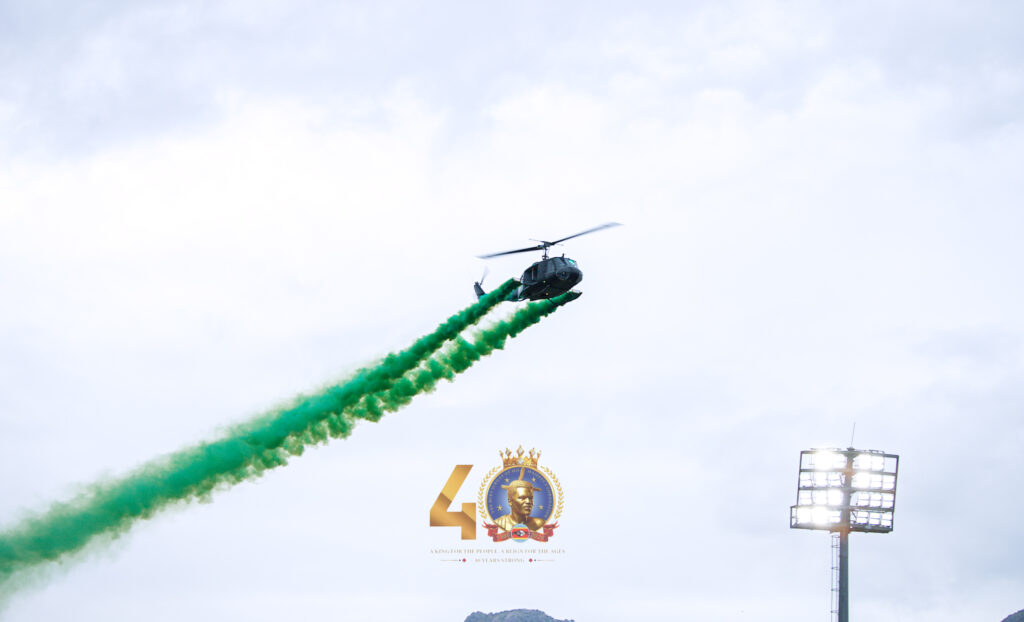
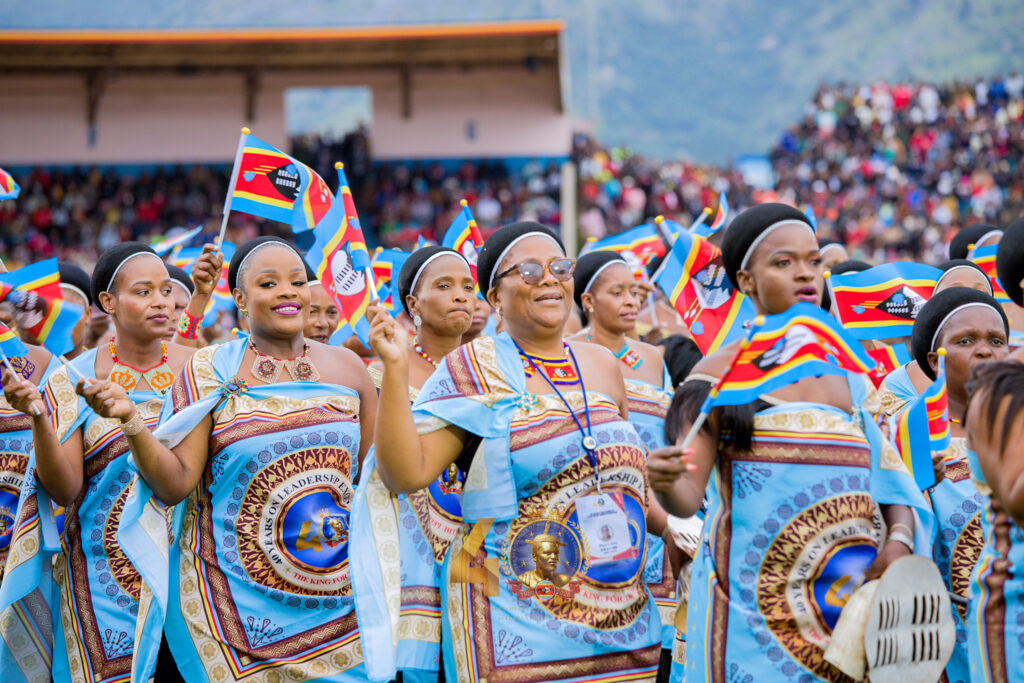
LOBAMBA — Tens of thousands of Emaswati filled Somhlolo National Stadium on Friday, 24 April 2026, their voices and hearts united in celebration of a milestone four decades in the making — His Majesty King Mswati III’s 58th Birthday and 40 Years on the Throne.
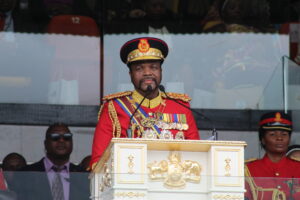
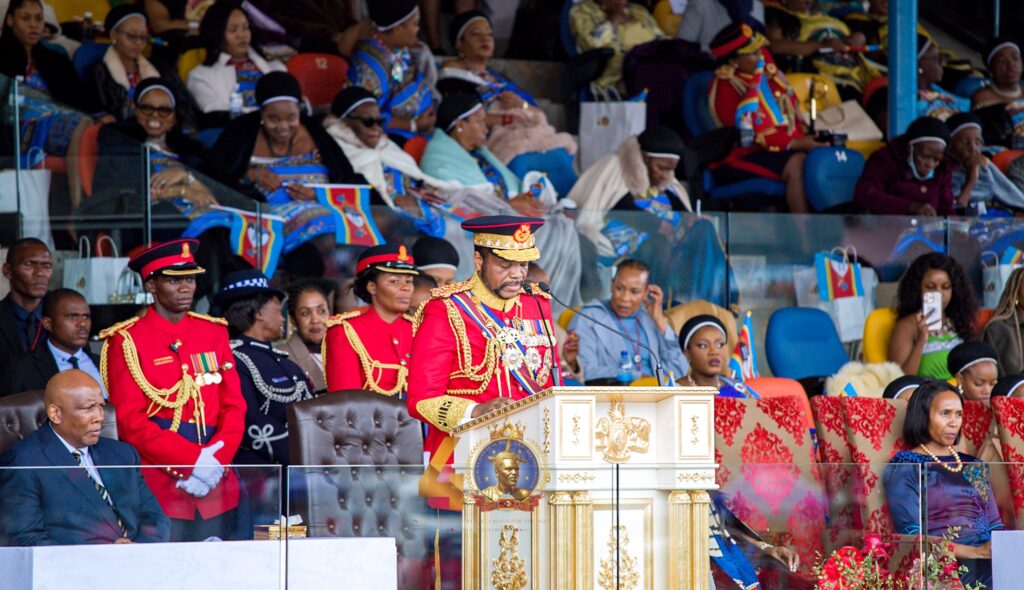
In an atmosphere of deep national pride and joyful thanksgiving, His Majesty took to the podium and renewed the promise He first made at his coronation: to serve the nation with devotion, uphold Eswatini’s traditions and Constitution, and lead the Kingdom forward in unity, peace and prosperity.
“I will continue to serve with devotion. I will uphold our traditions and our Constitution. I will lead towards unity, peace and prosperity, and I will never forget that the Throne exists for the people,” His Majesty said, to resounding applause.
A Moment of Thanksgiving and Reflection
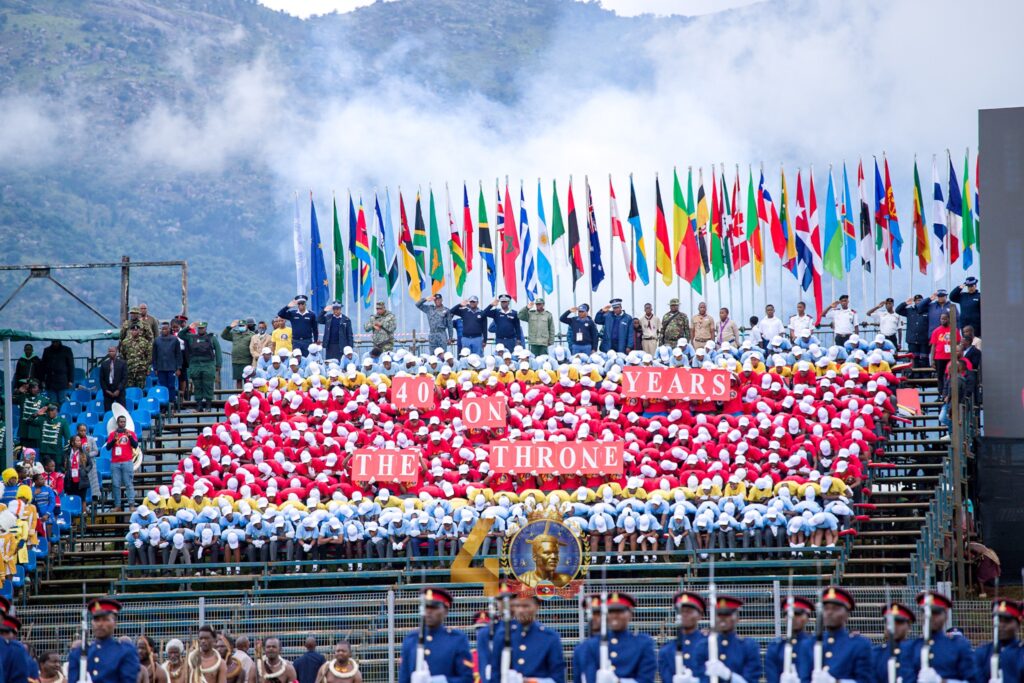
His Majesty described the Royal Ruby Jubilee Celebration as a sacred occasion — one not only for festivity, but for honest reflection. He gave thanks to God, to the ancestors, to the Royal Family and to every Liswati who has played a part in sustaining the Kingdom over the past forty years.
Welcoming the many distinguished guests who had travelled from across the globe, His Majesty said their presence was a powerful affirmation of the bonds of friendship, solidarity and mutual respect that Eswatini has built with the world.
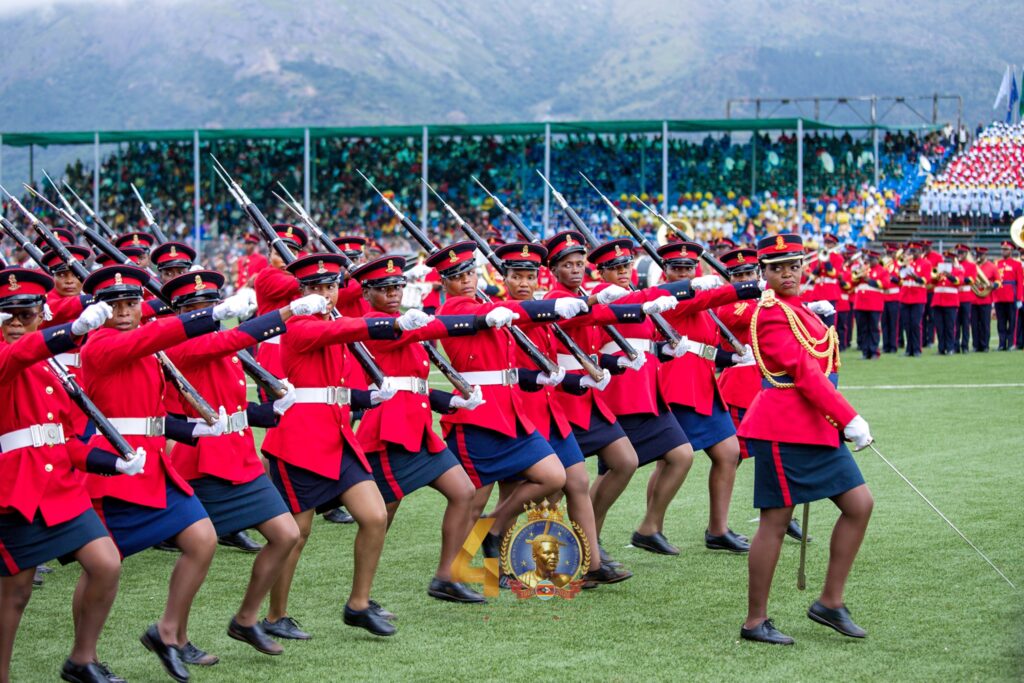
The celebration was the culmination of a nationwide series of roadshows and culture education events, led by the Ministry of Home Affairs across all four regions, that brought communities together in anticipation of the national event.
Four Decades of Progress
Casting his mind back to 25 April 1986 — the day a young Crown Prince ascended the Throne at the very same stadium — His Majesty reflected on the promise He made and the journey that followed.
He paid warm tribute to his father, King Sobhuza II, whose legacy of nation-building, cultural preservation and development laid the foundations on which modern Eswatini stands. Sacred national ceremonies like Incwala and Umhlanga, His Majesty noted, continue to define Emaswati as a people — while also drawing visitors and stimulating economic activity across the regions.
On national identity, His Majesty reaffirmed that the decision to reclaim the name Kingdom of Eswatini was a proud declaration of heritage and sovereignty. The adoption of the 2005 Constitution, he added, reflected the people’s determination to shape their own history while remaining open to the changing demands of the times.
An Economy Transformed
The numbers tell a remarkable story. When His Majesty was crowned, Eswatini’s Gross Domestic Product stood at roughly E1.4 billion. Today, it exceeds E95 billion — a transformation His Majesty attributed to the collective determination of the Emaswati and their deeply rooted culture of consultation.
Manufacturing now contributes approximately 40 percent of GDP, driven by agro-processing, textiles, sugar production and forestry. His Majesty commended the business sector for its role in this transformation and highlighted key empowerment initiatives: the Regional Development Fund has disbursed over E1.4 billion in non-refundable grants, FINCORP has extended more than E10 billion in loans, and cooperative schemes have grown to hold assets exceeding E3 billion.
The country’s infrastructure has kept pace. Eswatini’s paved road network has expanded from around 500 kilometres in 1986 to over 2,000 kilometres today — among the finest in the region. Landmark national investments, including King Mswati III International Airport, Mavuso Trade and Exhibition Centre, the Royal Science and Technology Park, the Biotechnology Park and the forthcoming Strategic Oil Reserve, reflect the ambition with which Eswatini is building its future.
Access to electricity has surged from just five percent of homesteads in 2003 to about 88 percent today — and His Majesty called on the nation to press forward until every home has access to both electricity and clean water by 2030.
Healthier, Better Educated, More Empowered
Progress in health has been equally transformative. Eswatini has grown from around six hospitals and 162 clinics in the 1990s to 16 hospitals and more than 330 health facilities today. The nation reached the UNAIDS 95-95-95 HIV targets ahead of the 2030 global deadline, introduced long-acting injectable PrEP, and reduced mother-to-child HIV transmission to below five percent — achievements that have drawn international recognition.
His Majesty also highlighted gains in education, food security, youth empowerment, women’s advancement, social protection, housing for the elderly, and support for persons with disabilities. Free primary education has been introduced, school enrolment has reached near-universal levels, and social grants for the elderly, orphans, vulnerable children and people with disabilities ensure that no citizen is left behind.
On agriculture and the environment, His Majesty called for investment in drought-resistant crops, the protection of wetlands and the promotion of sustainable farming practices — stressing that Eswatini must equip itself for changing weather patterns and ensure that future generations inherit a productive and resilient land.
Challenges Faced and Overcome
His Majesty did not shy away from acknowledging the trials of the past forty years. Severe droughts, devastating livestock losses, the COVID-19 pandemic and internal strains have all tested the nation’s spirit. But each time, he said, Emaswati drew on their resilience and their tradition of consultation to find their way through.
“Go Together”
Representing the visiting Heads of State and Government, His Majesty King Letsie III of Lesotho offered a heartfelt tribute.
“To serve faithfully on the Throne for four decades is a rare and extraordinary achievement,” King Letsie III said, describing the reign as one defined by selfless leadership, resilience and devotion to the nation.
Minister of Home Affairs HRH Princess Lindiwe Dlamini welcomed Their Majesties and all guests, calling it a historic milestone that reflects both the length and the depth of His Majesty’s remarkable life. She recalled that in 1986, a young King had ascended the Throne at a time of regional instability — and had gone on to guide Eswatini through decades of meaningful transformation.
“Your Majesty, our greatest gift to you is our pledge of love and loyalty, and our unwavering and total dedication to your forward-looking reign,” HRH Princess Lindiwe said.
Prime Minister Russell Mmiso Dlamini, who introduced His Majesty, recalled the electricity of that first coronation day — when a nation had gathered in hope to hear their young King speak for the first time. “He spoke with eloquence and dignity,” the Prime Minister recalled, “and the people embraced him with hope and goodwill.”
Four decades on, that hope has been honoured, he said. Eswatini today is a country with a unique system of monarchic democracy, a growing economy, strong institutions and a people who are cared for. The Prime Minister added that the vision of achieved developed country status by 2030 is not a distant dream — it is a tangible goal within the nation’s grasp.
The celebration was attended by a distinguished gathering of regional and international leaders, including Their Majesties King Letsie III and Queen ‘Masenate Mohato Seeiso of Lesotho, King Misuzulu Zulu kaZwelithini of the Zulu Nation, Zimbabwean President Emmerson Mnangagwa, Botswana President Duma Boko, Mozambique President Daniel Chapo, Botswana’s former President Ian Khama, former South African President Jacob Zuma, former DRC President Joseph Kabila, a Tanzanian delegation, and many other dignitaries. The programme featured vibrant cultural performances, military displays, choirs and artists including South African maskandi star Khuzani Mungose.
As the celebrations drew to a close, His Majesty left the nation with a message as timeless as the occasion itself.
“If you want to go fast, go alone. If you want to go far, go together.”