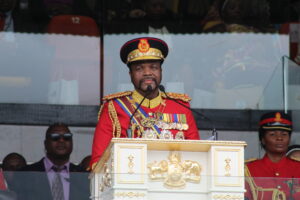

As Eswatini prepares to celebrate the Ruby Jubilee of His Majesty King Mswati III’s 40-year reign, the growing momentum behind the Made in Eswatini Consumer Fair is offering a timely reflection of the country’s development journey. What is emerging is not just a fair, but a broader national statement about enterprise, urban progress, and confidence in local production.
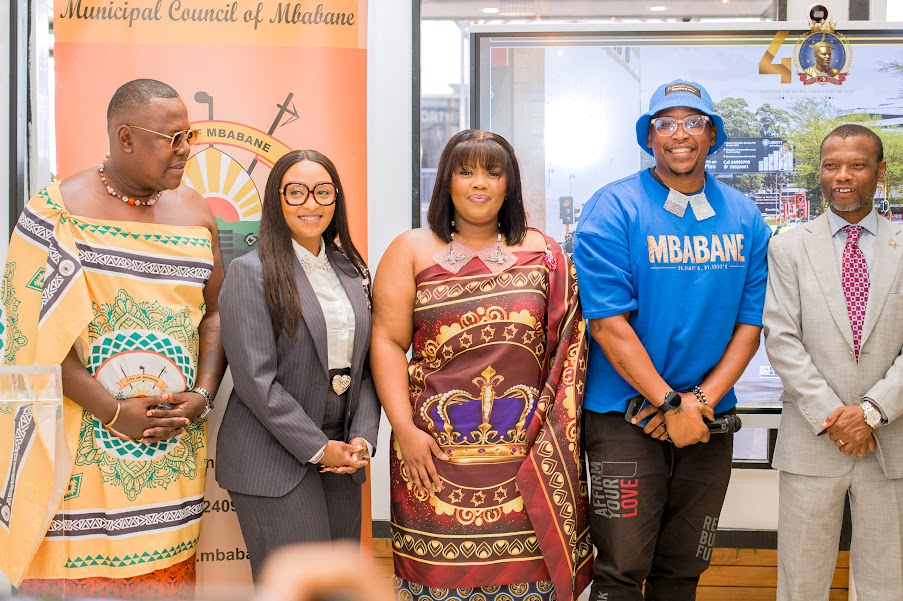
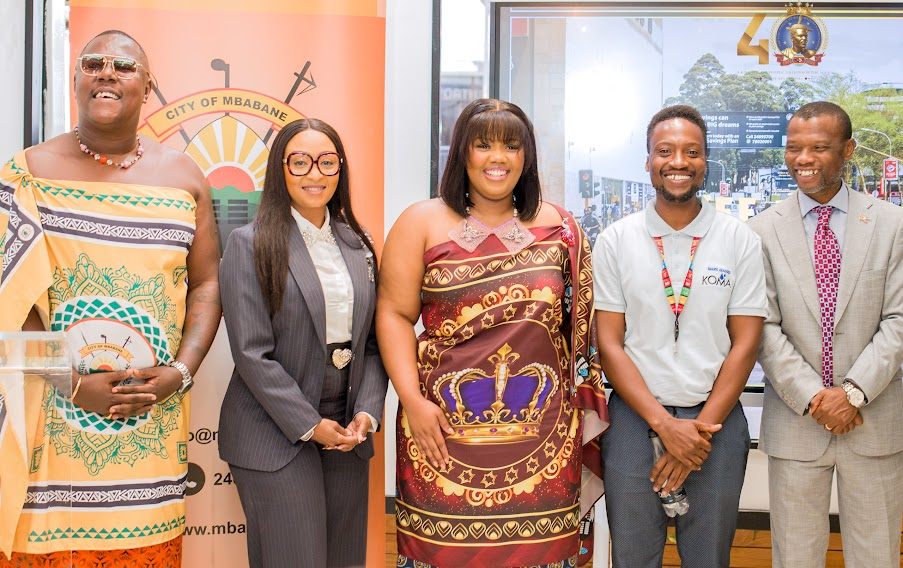
Speaking during the official venue tour at Pink Lotus in Mbabane on 16 April 2026, HRH Princess Sakhizwe said the occasion comes at a time when the nation is reflecting on four decades of leadership that have consistently shown a deep interest in business, local enterprise, and urban development. The engagement was graced by Minister of Housing and Urban Development Apollo Maphalala, Member of Parliament for Mbabane East Welcome Dlamini, His Worship the Mayor of Mbabane Thulani Mkhonto, and Mbabane City Council CEO Gciniwe Fakudze.
“The Ruby Jubilee of His Majesty King Mswati III’s Coronation marks a historic milestone for the nation.”
The significance of the moment is underlined by both symbolism and numbers. Eswatini is marking 40 years of His Majesty’s reign, while the fair itself has grown into what Princess Sakhizwe described as the largest platform for locally produced goods in the Kingdom. The demand has already become so strong that merchant onboarding has been closed because of space and logistical constraints, showing that interest from local entrepreneurs has outgrown current capacity. She said this demonstrates the scale of appetite among businesses eager to showcase products made in Eswatini.
“The Made in Eswatini Consumer Fair is now the largest platform for locally produced goods in the Kingdom and it will continue to grow even bigger.”
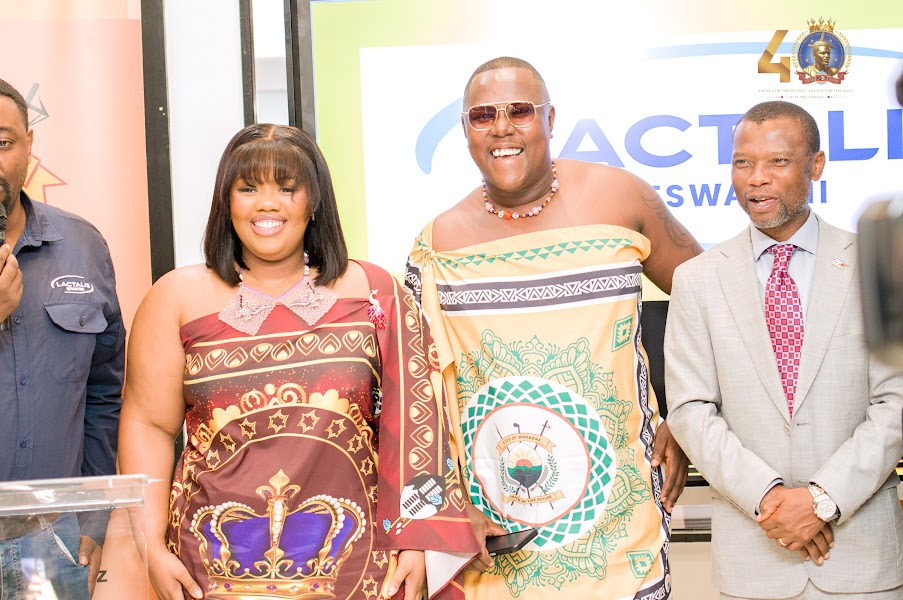
At the centre of the message was a call to turn national pride into economic action. Princess Sakhizwe said A Peculiar People is developing a national “Choose Local” multimedia campaign aimed at increasing awareness of the affordability, quality and economic value of supporting locally made goods. She stressed that the campaign is both timely and necessary, especially as the country looks to build a stronger culture of buying local. The initiative already has support from two agencies, including Cetera Agency, which she said are helping shape what could become a world-class commercial campaign to inspire Emaswati to back domestic enterprise more intentionally.
“This initiative is not just timely, but necessary, because it will elevate awareness around the affordability, quality, and true economic value of choosing locally made products.”
Princess Sakhizwe was clear that campaigns alone will not be enough. She said building a true buy-local culture will require support, partnership and investment from both the private and public sectors. In that respect, she praised sponsors such as Eswatini Wire and Lactalis for investing not only in the fair, but in what she called “the economic confidence of our nation.” She urged consumers to respond by supporting local industry, whether in steel and fencing, dairy, or other sectors where domestic products can compete.
“This campaign will require partners. It will require belief. And it will require investment.”
A major part of that confidence, she said, must rest on clarity and standards. Princess Sakhizwe welcomed ongoing discussions to define what should legitimately qualify as Made in Eswatini, saying such a definition should apply to products that are wholly produced, manufactured, assembled or substantially transformed within the country. She said the process is essential for protecting consumers, uplifting local enterprises and strengthening the economy. The involvement of established businesses such as Lactalis and Eswatini Wire in these engagements was presented as an important step towards building a credible and balanced national framework.
The fair also reflects a larger urban development story. Princess Sakhizwe commended the City of Mbabane for its support and pointed to the municipality’s recent recognition at the Smart City Summit & Expo in Taipei, Taiwan, where it won the Best Smart City Project Award. She suggested that this kind of achievement shows why local government partnerships matter in driving smart, inclusive and commercially relevant city development. In that sense, the Made in Eswatini Consumer Fair is not standing alone; it is part of a wider vision that links entrepreneurship, municipal leadership and national development.
“We cannot make plans without them and expect the outcomes to be equally smart.”
Importantly, the vision is no longer limited to Mbabane. Princess Sakhizwe said the next phase must be to take the fair beyond the capital and into other towns across the Kingdom, expanding access for entrepreneurs and consumers alike. That ambition gives the initiative a national dimension and aligns with the wider spirit of the 40-year celebration: a Kingdom looking back on its journey while also preparing the ground for broader participation in economic opportunity.
“The next chapter is clear: we must take this concept beyond Mbabane and extend it to other towns across the Kingdom.”
Looking ahead, Princess Sakhizwe said she is anticipating 1 May with “great excitement,” describing it as a moment that will reflect not only the strength of Mbabane, but also “the promise of a nation rising with confidence in its own people, its own products, and its own potential.” That may ultimately be the strongest meaning of this year’s commemoration.
As Eswatini marks 40 years of His Majesty’s reign, the fair is emerging as a practical expression of how celebration can be tied to production, collaboration and economic self-belief. Rather than simply honouring a milestone, it points to what the next chapter could look like: a more visible, more confident and more organised local economy built on the strength of Eswatini’s own people and products.
“Let us move forward together, with pride, with vision, and with unwavering belief in Eswatini.”